


September was a tough month for UK car production, and anyone interested in Jaguar Land Rover’s contribution to the UK’s output will be amazed to learn that the recent cyber attack dealt a hammer blow to overall UK car production figures. In figures that include outputs from leviathans like Nissan, Ford, Vauxhall and Toyota, the numbers were down pretty noticeably. In fact, overall output dropped by just over a quarter, and if you look at both cars and vans together, the fall was closer to 36%.
A big part of that was down to Jaguar Land Rover. As you probably heard, they had to pause production across their plants for about five weeks because of the cyber attack. From late August through the beginning of October, the lines in the West Midlands and at Halewood were completely still — not a single vehicle was built during that time.
The industry data makes it look dramatic because other manufacturers were actually growing while we were temporarily offline. And yes, the financial impact has been significant — some analysts are calling it the most costly cyber incident ever seen in the UK, with estimates around £1.9bn.
The headline is striking: it was the lowest September for UK car manufacturing since 1952 — even lower than during COVID.
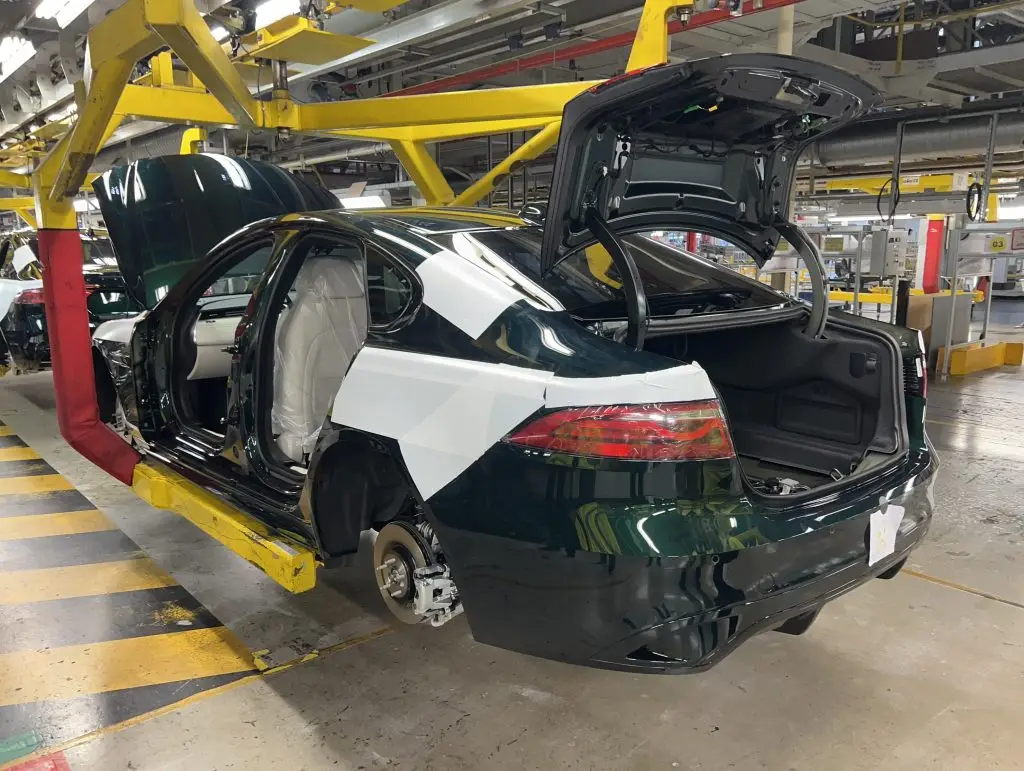
But the important part is: production is up and running again. The teams have done an incredible job getting everything back on track, and they are moving forward. Jaguar seems absolutely focused on restoring momentum and keeping their future plans on course — and Jaguar is doing that with the same determination and pride that’s always defined this brand.



One Response
Who initiated this cyber attack and why? Was it a ransom attempt, and if so was the ransom paid? – Which would only serve to encourage these people. Or was there some other purpose, such as to deliberately damage JLR? I hope this is being followed up hard, or it’ll happen again. I’ve read that these malware programmes are often piggy-backed into the ‘targets’ by being embedded in windows or suchlike documents sent to older and not updated computer equipment — and then spread throughout the company’s system from there. Surprised if this is what has happened to JLR, but a salutary lesson to all.