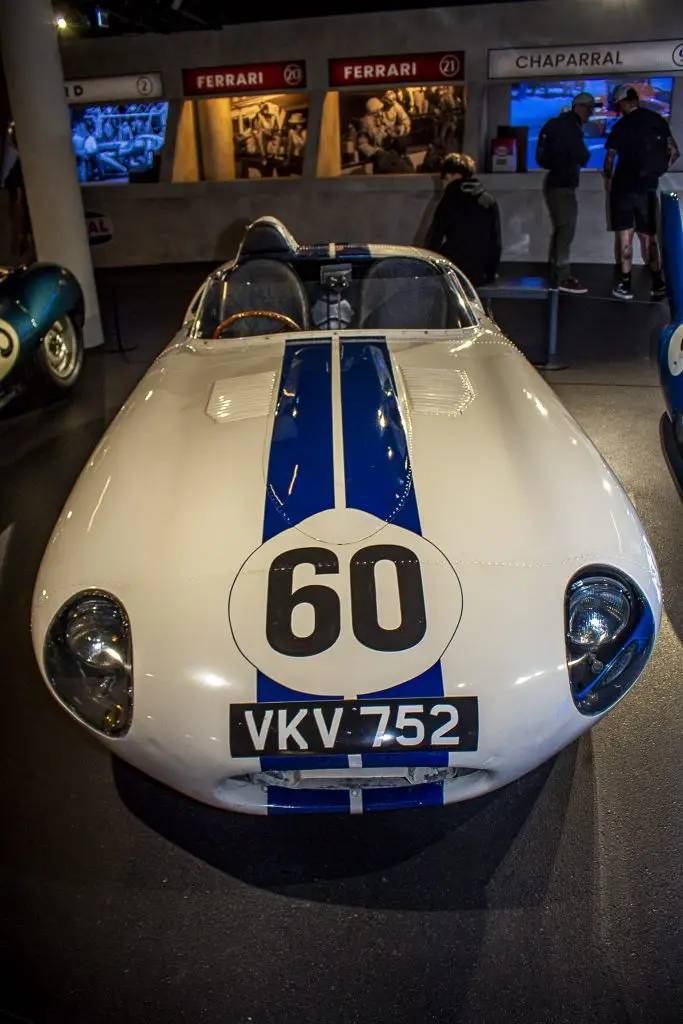
One of the most important Jaguars ever built has changed hands, with the unique E2A prototype being sold by renowned historic car specialist Fiskens for an undisclosed sum.
The significance of E2A goes far beyond its rarity. Built in 1960 as Jaguar’s sole competition prototype during the period between the D-type and the launch of the E-type, it represents the crucial engineering bridge between two of the marque’s most iconic models.
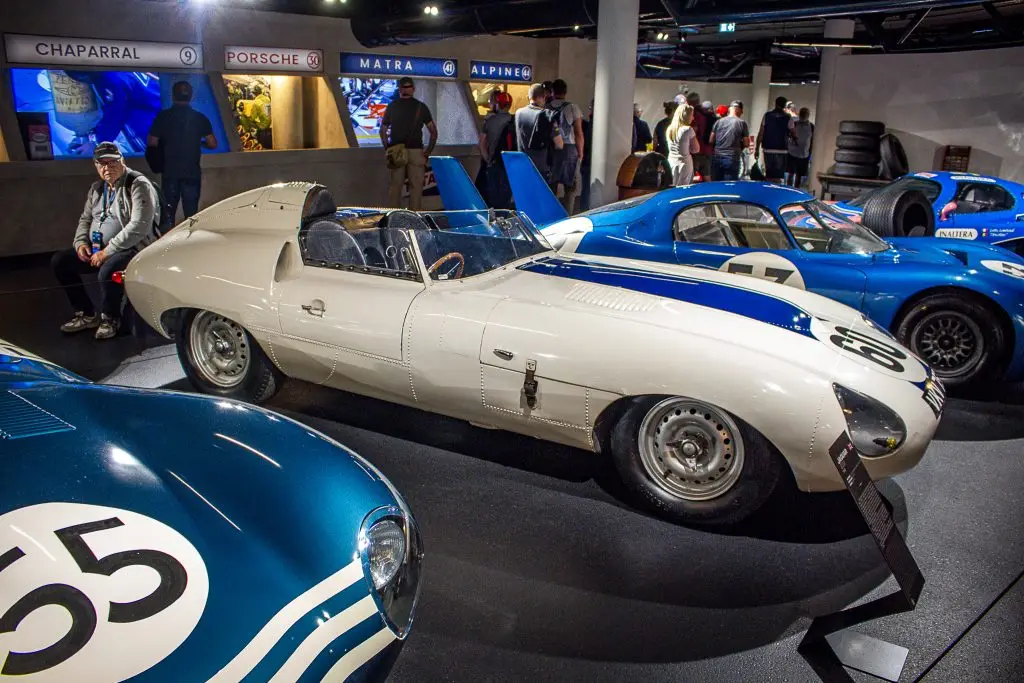
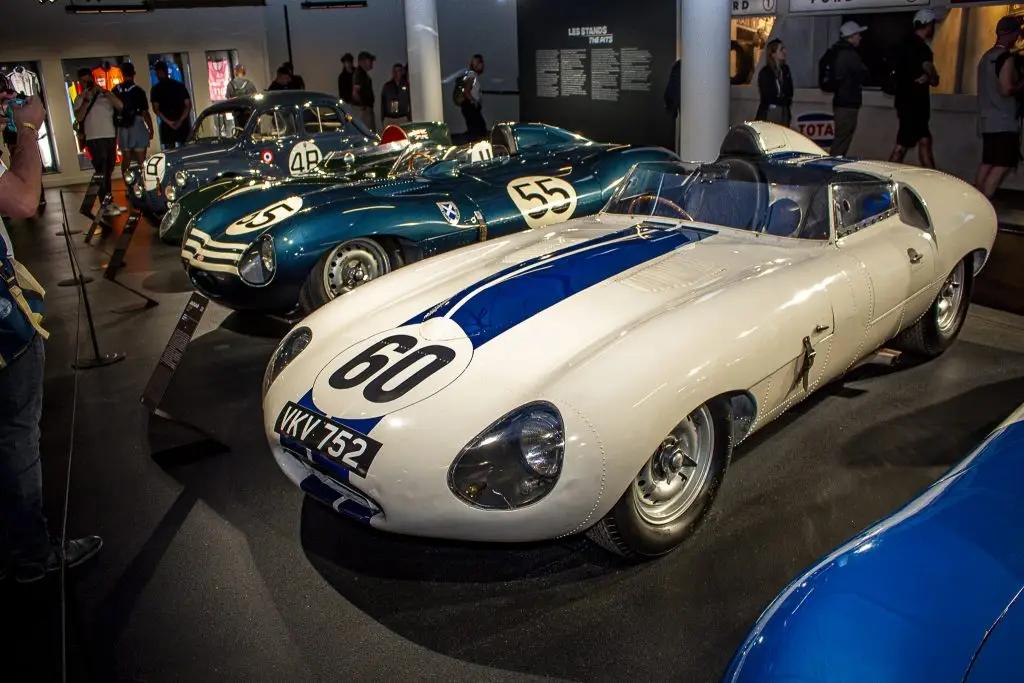
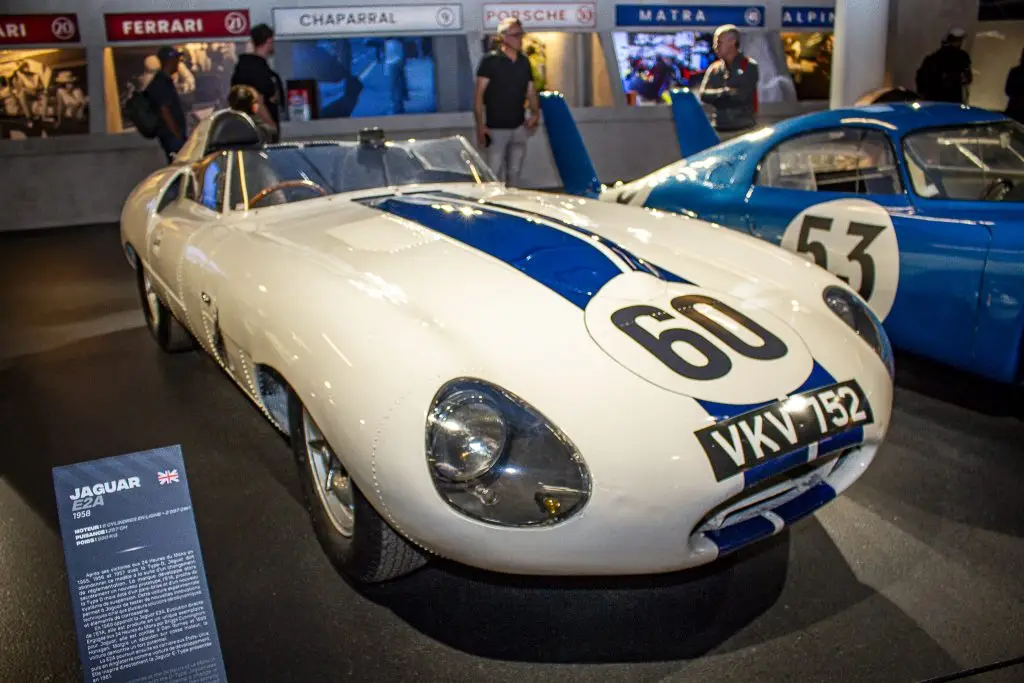
The car has changed hands only three times since leaving Jaguar and, following its latest sale, is now on display at the recently reopened M24 Museum at Le Mans. During this year’s 24 Hours of Le Mans we made a point of visiting the museum, where the E2A formed one of the highlights of the collection. The photographs accompanying this article were taken during that visit.
Although it is often described as the “missing link” between the D-type and E-type, E2A was far more than simply an experimental prototype. Its riveted aluminium monocoque developed the construction principles first seen on the Le Mans-winning D-type, while its front subframe layout and pioneering independent rear suspension went on to underpin the production E-type introduced just a year later. In many ways, this remarkable machine is the only surviving competition ancestor of Jaguar’s legendary sports car.
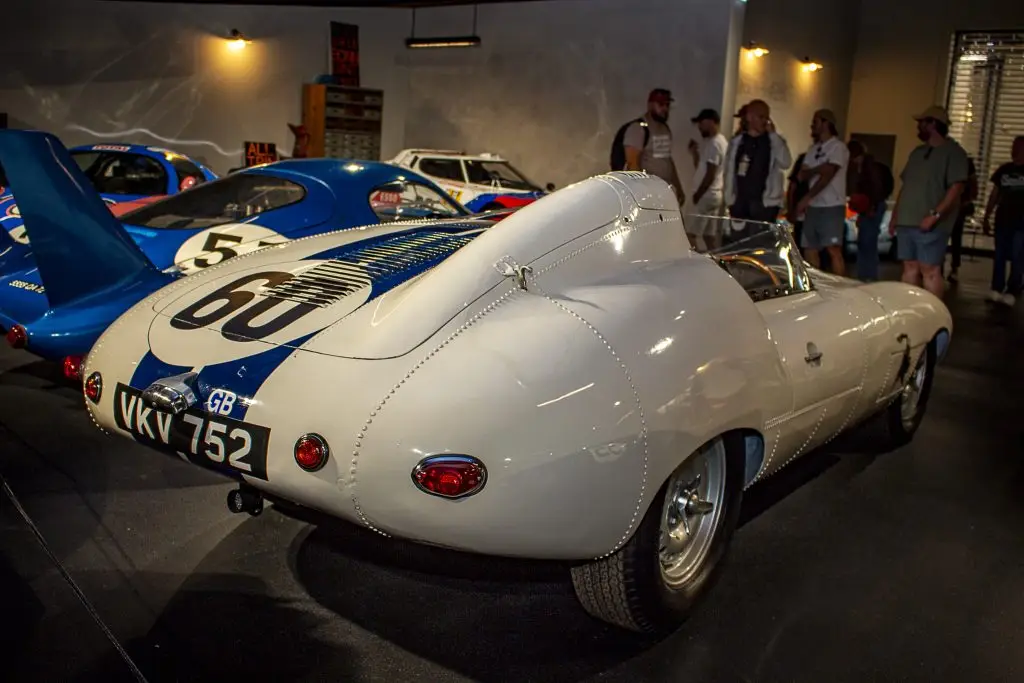
Jaguar may have officially withdrawn from factory racing after 1956, but development behind closed doors continued. E2A emerged from that programme before being loaned to Briggs Cunningham for the 1960 Le Mans 24 Hours.
Finished in Cunningham’s distinctive white with blue stripes—a colour scheme it still wears today—the prototype was driven by Dan Gurney and Walt Hansgen. The pair quickly demonstrated the car’s pace, climbing to third place within the opening laps before a head gasket failure ended its race after seven-and-a-half hours.
Its competition career continued in the United States, where Hansgen took victory at Bridgehampton on its debut in SCCA competition. A podium at the Road America 500 followed before a remarkable succession of drivers climbed behind the wheel. Fresh from winning the Formula One World Championship, Jack Brabham raced E2A at Riverside, while Bruce McLaren later drove it in the inaugural Pacific Grand Prix at Laguna Seca.
Back at Jaguar, the prototype continued earning its keep as an engineering test bed, including development work on Dunlop’s pioneering Maxaret anti-lock braking system. Like so many experimental cars, however, its future eventually looked bleak, with E2A earmarked for scrapping.
Thankfully, Jaguar competition workshop manager Roger Woodley intervened to save the car in 1968. It entered the collection of photographer and Brooklands enthusiast Guy Griffiths, with one important condition from Jaguar: it was never to race again. That decision undoubtedly ensured its remarkable originality survives to this day.
Today, E2A stands as one of the most historically significant Jaguars in existence. It not only links the marque’s most successful racing era with arguably its greatest road car, but also carries an enviable competition history featuring some of motor racing’s biggest names.
For anyone visiting Le Mans in the future, the newly refurbished M24 Museum is well worth adding to the itinerary. Seeing E2A in person offers a fascinating reminder of the engineering ambition that ultimately gave birth to the E-type and helped shape Jaguar’s golden era.
Read more about the newly revamped museum in our full tour within the August edition of Jaguar Enthusiast Magazine.