Jaguar Land Rover’s sales seem to have miraculously rebounded in the last quarter following a major cyberattack that temporarily halted production earlier this year, underscoring both the scale of the disruption and the business’s resilience in recovering from it.
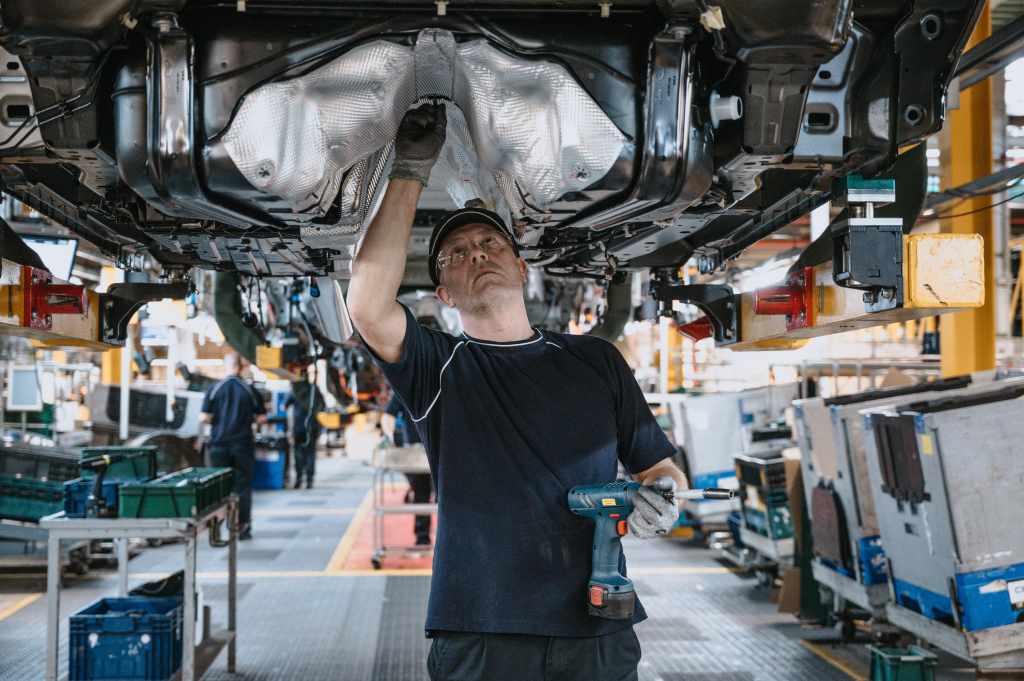
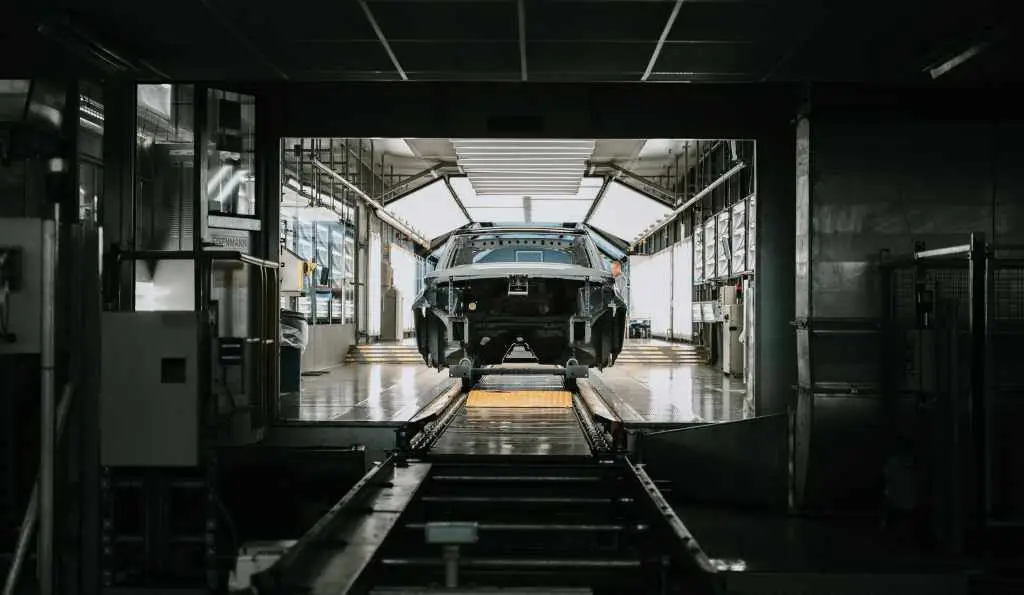
The incident, which affected JLR’s IT systems, forced the company to pause production across several facilities while systems were secured and brought back online. For a manufacturer operating on tightly managed supply chains and just-in-time processes, even a short downtime carries significant consequences, with output and deliveries quickly impacted.
In the weeks that followed, JLR worked to restore operations, gradually restarting production and stabilising its global network. The interruption inevitably fed through into sales figures, but the latest update shows a clear recovery as output returned and customer orders began flowing again.
The rebound has been helped by continued demand for JLR’s core models, particularly across the Range Rover and Defender lines, which remain the commercial backbone of the business. With order banks still strong, the pause appears to have delayed sales rather than diminished underlying demand.
For Jaguar, the story sits within a broader period of transition. As the brand moves towards an all-electric future, short-term fluctuations in production and sales are being viewed against a longer-term repositioning of the marque. Even so, the episode highlights how dependent modern car manufacturing has become on secure, stable digital infrastructure.
JLR has not disclosed full details of the cyberattack, but the incident serves as a reminder that the automotive industry, like many others, is increasingly exposed to such disruptions. As vehicles themselves become more connected and software-driven, the importance of cybersecurity extends well beyond the factory floor.