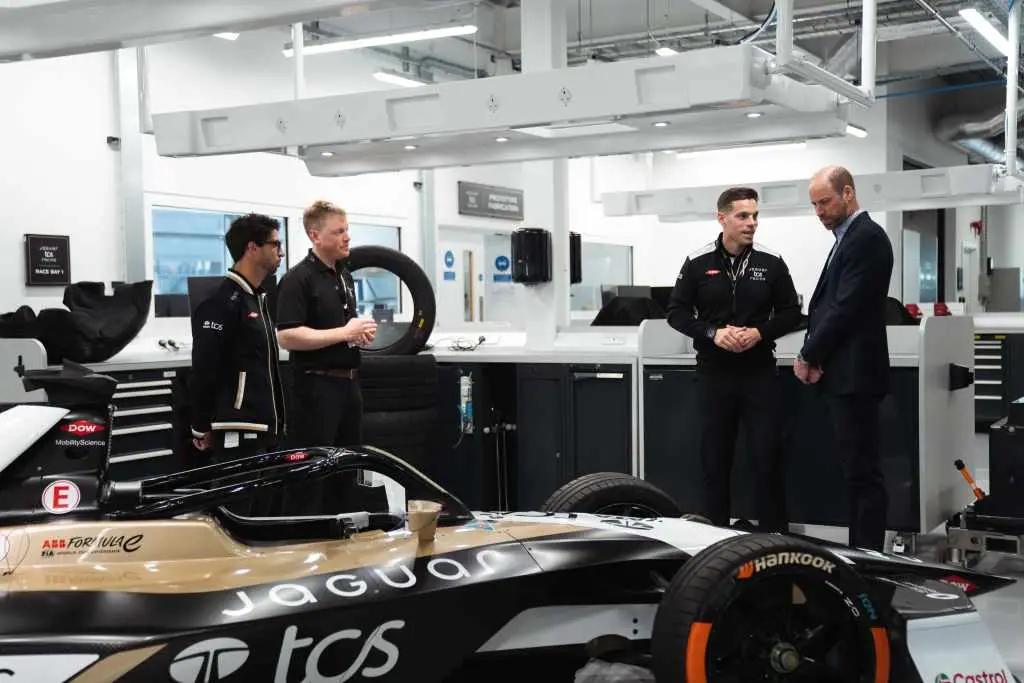
Motorsport, technology and the future of Jaguar came into sharp focus again, as Prince William visited Jaguar TCS Racing’s technical headquarters in Kidlington.
There was a royal presence at the team’s Oxfordshire base, offering a rare look inside the operation responsible for designing, developing and building the Jaguar I-TYPE 7, the latest contender in the ABB FIA Formula E World Championship. The visit also underlined the growing relevance of motorsport as a proving ground for future road car technology.
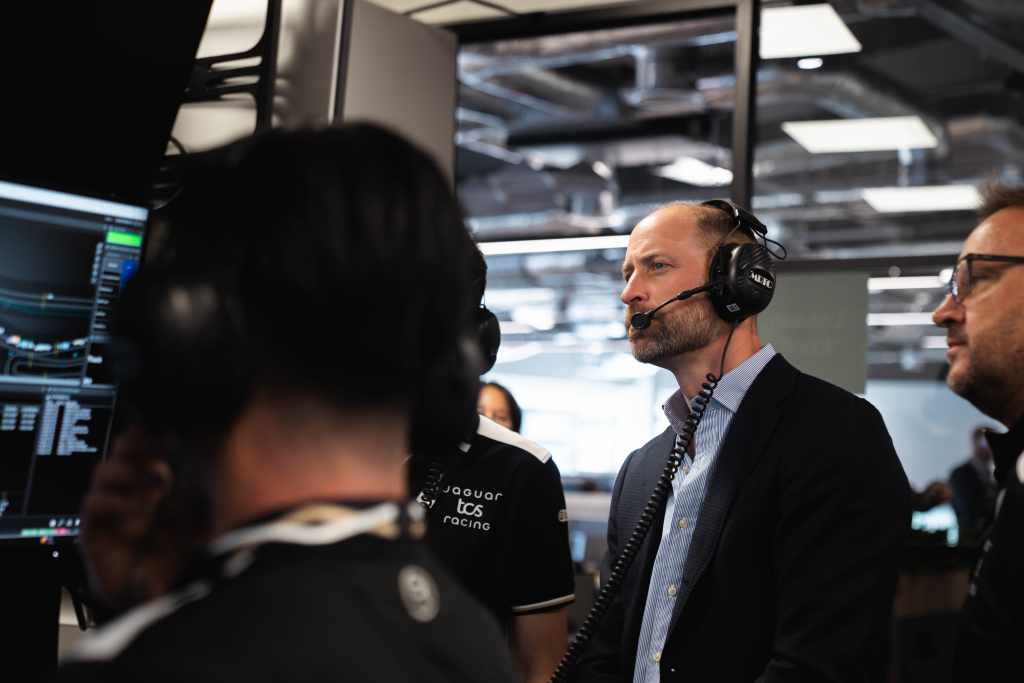
Hosted by senior Jaguar Land Rover figures and team personnel, the Prince was given a full tour of the facility, meeting engineers, graduates and mechanics who form the backbone of the programme. He also spent time with Jaguar drivers Mitch Evans and António Félix da Costa, who offered a driver’s-eye view of the current GEN3 Evo machinery.
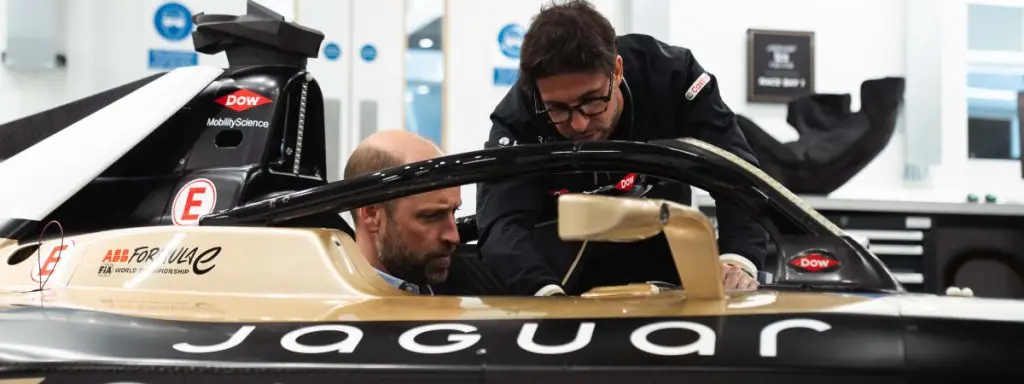
One of the highlights of the visit came as the Prince climbed into the cockpit of the I-TYPE 7 itself, gaining a first-hand sense of the car and the technology behind it. He was also shown the team’s Driver-in-the-Loop simulator, a key development tool that allows drivers and engineers to refine performance before the cars even reach the circuit.
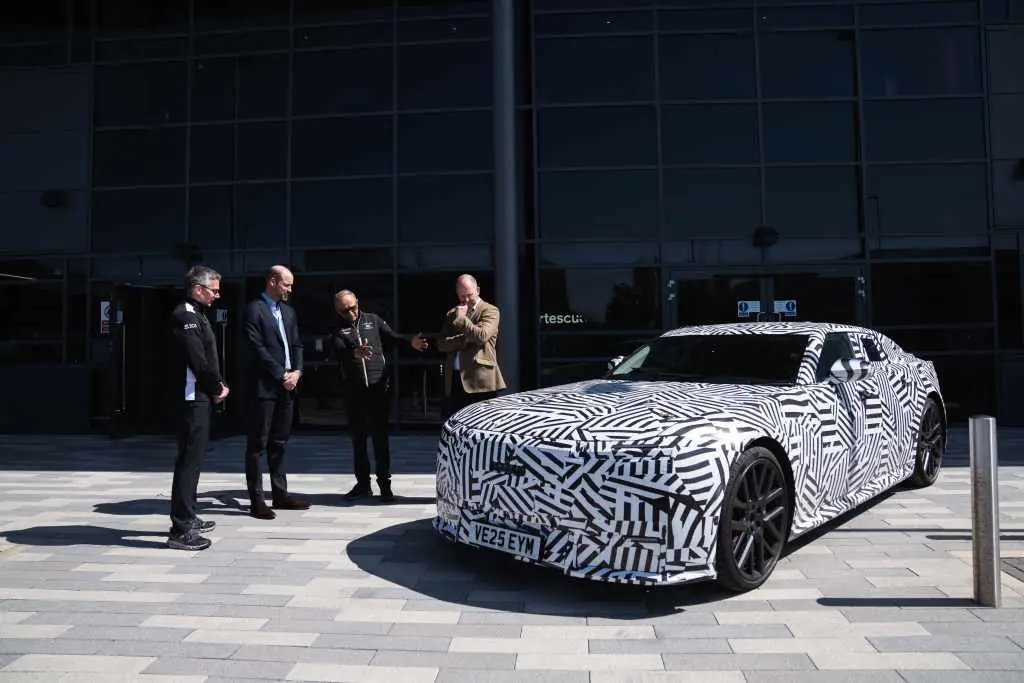
Beyond the spectacle, the focus remained firmly on innovation. Jaguar’s Formula E programme is closely tied to the development of its future electric road cars, with lessons learned in energy management, software and powertrain efficiency feeding directly into production models. Team representatives emphasised how motorsport continues to act as a fast-track laboratory, accelerating ideas that would otherwise take years to reach the road.
The visit also reflected the Prince of Wales’s long-standing interest in sustainability and environmental progress. Formula E, as a net-zero championship built around electric propulsion, aligns closely with those priorities, making Jaguar’s racing effort as much about future mobility as it is about competition.
For Jaguar TCS Racing, the occasion was a chance to showcase not just the car, but the people and thinking behind it. For those watching from the outside—enthusiasts included—it served as a reminder that while Jaguar’s heritage is rooted in combustion-era icons, its future is being shaped just as decisively in places like Kidlington.