
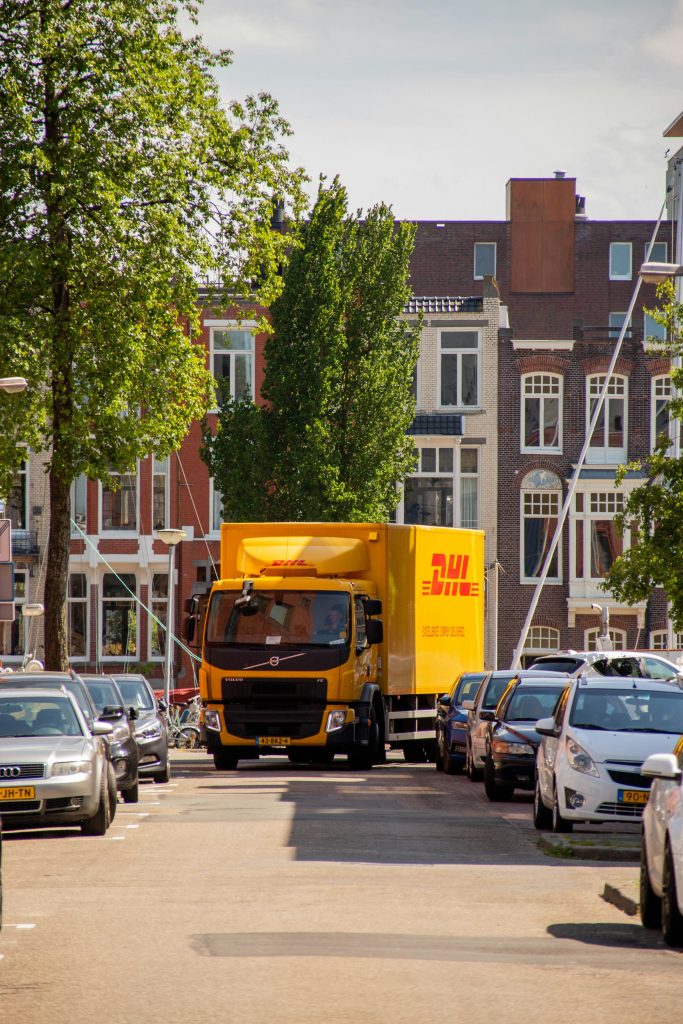
The global automotive supply chain has thrown up a fresh challenge for Jaguar Land Rover, this time not from the factory floor but from freight yards and shipping routes.
A DHL strike — affecting cargo handling and deliveries in key markets — has added complications to an already stressed JLR logistics pipeline. With production only recently stabilised after the cyberattack disruption of late 2025, any interruptions in parts movement or vehicle distribution ripple straight through to dealer networks and customer deliveries.
These delays come at a critical time. Jaguar and Land Rover models are in transition: legacy Jaguar lines are being phased out ahead of an all-new electric Jaguar, and Land Rover is gearing up for next-generation product launches. That makes fluid logistics and timely parts supply absolutely vital to maintaining momentum and keeping order books healthy.
While specific financial figures tied solely to the DHL action aren’t yet published, industry sources and Jaguar-aligned dealers are reporting longer lead times on parts deliveries, intermittent shipment bookings and cautious production scheduling as supply-chain partners recalibrate. For a brand accustomed to precision and performance, this is an unwelcome extra variable. In an environment where margins are already under pressure from tariffs, geopolitical headwinds and the lingering effects of a cyberattack, even short logistic snags matter.
For loyal Jaguar owners, this isn’t the end of the story — merely another chapter in a year that has tested patience and faith. Enthusiast networks and specialist garages alike are watching how quickly JLR and freight partners adapt, and how well the supply chains smooth out ahead of the big product launches on the horizon.